
Beginner’s Guide to Make Royal Tempeh Teriyaki Bowl

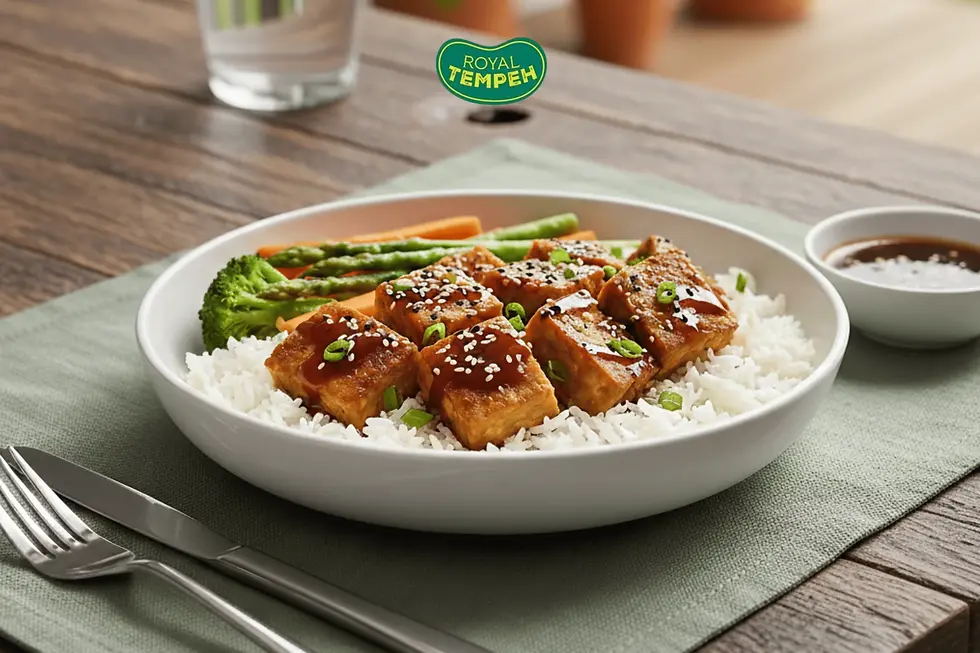
At Jans Enterprises Corp., we are passionate about bringing wholesome, Indonesian-inspired staples like Royal Tempeh to modern kitchens. This guide provides a simple, foolproof method for creating a Royal Tempeh Teriyaki Bowl, a protein-packed, plant-based meal that balances the nutty flavor of fermented soybeans with a glossy, homemade savory-sweet glaze. Designed for beginners, this recipe highlights the ease of cooking with tempeh while delivering a restaurant-quality experience in the comfort of your home.
Key Highlights
Nutritional Powerhouse: Royal Tempeh is a complete plant-based protein source made from whole soybeans, supporting both energy levels and satiety.
Gut Health Benefits: The natural fermentation process creates prebiotics, which help nourish beneficial bacteria in your digestive system.
No Pressing Required: Unlike tofu, Royal Tempeh has a firm, meaty texture that doesn't require pressing, making it an efficient choice for quick weeknight meals.
Pore-Opening Technique: Steaming the tempeh block for 10 minutes before marinating is a key step to reduce bitterness and maximize sauce absorption.
One-Pan Simplicity: This recipe can be made using the roasting method on a single sheet pan, minimizing active cooking time and cleanup.
Introduction
At Jans Enterprises Corp., we’re always looking for ways to bring delicious and wholesome Indonesian-inspired foods to more kitchens. If you’re searching for a quick, easy, and satisfying plant-based meal, this beginner’s guide to making a Royal Tempeh teriyaki bowl is a great place to start.
This dish combines the firm, nutty flavor of Royal Tempeh with a sweet and savory homemade teriyaki sauce, all served over fluffy rice and crisp vegetables. It delivers a restaurant-style experience, yet it’s simple enough to prepare on any busy weeknight.
What Makes a Royal Tempeh Teriyaki Bowl Special?
As the parent company behind Royal Tempeh, Jans Enterprises is proud to offer products that support both great taste and better nutrition. Royal Tempeh is made from whole soybeans and is a powerful source of plant-based protein, making it an excellent meat alternative. A single serving provides satisfying protein to help keep you full and energized.
Beyond protein, Royal Tempeh is valued for its support of gut health. The natural fermentation process creates prebiotics that help nourish beneficial bacteria in the digestive system. This makes it a smart choice for anyone looking to support overall wellness.
Royal Tempeh is also incredibly versatile. Whether you’re preparing a teriyaki bowl, tempeh bacon, or a hearty skillet dish, its firm texture and ability to absorb flavors make it a delicious foundation for many plant-based recipes.
Why Choose a Tempeh Teriyaki Recipe for Beginners?
If you’re new to cooking with Royal Tempeh, this teriyaki recipe is an excellent starting point. It’s simple, straightforward, and doesn’t require complicated techniques or special skills. The homemade teriyaki sauce uses ingredients that are easy to find in most grocery stores.
This recipe is designed for convenience, making it less intimidating than other plant-based dishes. It’s also a great introduction to Royal Tempeh, which is easier to prepare than many people expect. Unlike tofu, it doesn’t require pressing.
Here’s why it’s perfect for beginners:
Minimal Active Cooking: Most of the time is hands-off while the dish cooks.
One-Pan Meal: Everything comes together on a single sheet pan for easy cleanup.
Simple Instructions: The steps are easy to follow from start to finish.
Essential Ingredients for a Classic Royal Tempeh Teriyaki Bowl
Choosing high-quality Royal Tempeh is the first step toward a delicious bowl. Look for a block that feels firm and has a mild, nutty, or mushroom-like aroma. Authentic Royal Tempeh is made from whole soybeans that are visibly bound together.
Before marinating, it helps to prepare the Royal Tempeh to reduce any bitterness and allow it to absorb more flavor. A common method is steaming the block for about 10 minutes. This softens the tempeh and opens its pores for better sauce absorption.
After steaming, cut the Royal Tempeh into your preferred shape:
Cubes for a classic bowl.
Slices or rectangles for a glazed look.
Torn pieces for a rustic, chicken-like texture.
Vegetables and Grains That Pair Perfectly
The right mix of vegetables and grains can elevate your teriyaki bowl. Colorful, crunchy vegetables add visual appeal and create a pleasant contrast to the firm Royal Tempeh. Popular choices include broccoli, bell peppers, zucchini, and edamame, but you can use your favorites.
For the base, brown rice is a classic and nutritious option. However, other grains work just as well. Quinoa adds extra protein, while cauliflower rice is a great low-carb alternative. Coconut rice offers a subtle sweetness that complements the teriyaki sauce.
Vegetables | Grains |
Broccoli | Brown Rice |
Zucchini | Quinoa |
Bell Peppers | Cauliflower Rice |
Cabbage | Coconut Rice |
Edamame | White Rice |
Must-Have Equipment and Prep Tips for Success
Preparing your tools before you start cooking helps keep the process smooth and stress-free. For this recipe, you only need a few basic items.
You’ll need a large skillet for pan-frying or a baking sheet for roasting the Royal Tempeh and vegetables. To make the teriyaki sauce, use a small saucepan for simmering the ingredients. A small bowl and whisk are helpful for making the cornstarch slurry that thickens the sauce.
Essential tools:
Large skillet or baking sheet
Small saucepan for the sauce
Small bowl and whisk for the slurry
Sharp knife and cutting board
Step-by-Step Guide to Making a Royal Tempeh Teriyaki Bowl
Ready to create your own Royal Tempeh teriyaki bowl? Follow these simple steps to prepare a flavorful marinade, cook the tempeh, and assemble a satisfying plant-based meal.
Step 1: Marinating Royal Tempeh for Maximum Flavor
A good marinade is the key to delicious teriyaki Royal Tempeh. This step allows the sweet and savory flavors to soak into the tempeh.
For best results, marinate for at least 30 minutes, though even 15 minutes will make a difference.
To prepare the marinade:
Cut your prepared Royal Tempeh into cubes or slices.
In a bowl, whisk together soy sauce, rice vinegar, maple syrup, minced garlic, and ginger.
Add the Royal Tempeh and toss to coat. Let it sit to absorb the flavors.
Step 2: Cooking Royal Tempeh and Preparing Vegetables
After marinating, cook the Royal Tempeh until golden and firm.
Pan-frying method:Heat sesame oil in a large skillet over medium-high heat. Cook the Royal Tempeh for a few minutes on each side until golden brown.
Roasting method:Spread the marinated Royal Tempeh and chopped vegetables on a baking sheet. Roast at 375°F for about 25 minutes. This one-pan method is simple and convenient.
Add quick-cooking vegetables like edamame or zucchini during the last few minutes to keep them crisp.
Step 3: Making Homemade Teriyaki Sauce
Homemade teriyaki sauce is easy to make and delivers a fresher taste than store-bought versions.
Steps:
Combine soy sauce, water, brown sugar, garlic, and ginger in a saucepan. Simmer for 5 minutes.
In a small bowl, whisk cornstarch with cold water to create a slurry.
Slowly pour the slurry into the saucepan while whisking.
Simmer for another 5 minutes until the sauce thickens into a glossy glaze.
Step 4: Assembling and Serving Your Tempeh Teriyaki Bowl
Now it’s time to assemble your bowl.
Start with a base of your chosen grain, such as rice or quinoa.
Add the cooked Royal Tempeh and vegetables.
Drizzle with extra teriyaki sauce.
Garnish with sesame seeds and chopped green onions.
Serve immediately, and store any leftovers for later.
Tips for Customizing and Meal Prepping Your Tempeh Teriyaki Bowl
This recipe can be easily adjusted to suit different dietary needs.
Gluten-free: Substitute soy sauce with tamari.
Oil-free: Bake the tempeh and vegetables on a parchment-lined sheet instead of pan-frying.
Grain alternatives:
Quinoa for added protein
Cauliflower rice for a low-carb option
Coconut rice for a subtle sweetness
Conclusion
At Jans Enterprises Corp., our mission is to bring authentic, high-quality foods like Royal Tempeh to modern kitchens. This Royal Tempeh Teriyaki Bowl is a great example of how simple ingredients can come together to create a nutritious and flavorful plant-based meal.
By starting with Royal Tempeh and customizing your bowl with your favorite vegetables and grains, you can create a satisfying dish for any occasion. Whether you’re new to plant-based cooking or already love tempeh, this recipe makes it easy to enjoy a wholesome and delicious meal at home.
Frequently Asked Questions
1. What is Royal Tempeh, and why is it good for plant-based meals?
Royal Tempeh is a traditional Indonesian soy food made from fermented whole soybeans, giving it a firm texture and a naturally nutty flavor. It’s considered a complete plant-based protein, making it ideal for bowls, stir-fries, and other Asian dishes or Asian recipes. As more consumers explore global flavors, many Asian food brands and Asian food company portfolios now include tempeh alongside popular Asian snacks, beverages like guava juice or a guava juice drink, and even products such as the best coconut water.
2. Where can businesses source Royal Tempeh and other Asian ingredients in the U.S.?
Foodservice operators and retailers typically work with an Asian food distributor or Asian food distributors to access consistent supplies. Jans supports B2B buyers as an Asian food importer, Asian food importer usa, Asian foods importer, and Asian foods distributor, as well as an Asian food distributor in usa and indonesian food importer. Businesses looking for an importer of Asian food or importer Asian food partner, including those searching for an Asian food distributor california, Asian food distributor los angeles, or Asian food distributor near me, can rely on Jans as an indonesia food distributor, food distributor for retail, food distributor usa, and food distributor in usa.
3. Is tempeh difficult to cook for beginners?
Not at all. Unlike tofu, tempeh doesn’t need pressing, which makes it easier for beginners to prepare. Once steamed, it absorbs sauces like teriyaki beautifully and cooks quickly in a pan or oven. Many home cooks discover tempeh while exploring Asian food, then branch out into other pantry staples such as Asian snacks, ube products, or even dessert ingredients like ube powder, ube flavor, and ube flavoring for sweet Asian dishes.
4. What ingredients pair well with a tempeh teriyaki bowl?
Tempeh pairs well with a variety of grains and vegetables, such as brown rice, quinoa, broccoli, bell peppers, or edamame. For a complete meal experience inspired by Asian food, the bowl can be served with sides like Asian snacks, fresh fruit, or beverages such as guava juice or the best coconut water. Some modern menus even add dessert options like ube cake made with ube condensed milk, ube flavouring, or ube food colouring to create a full Asian-inspired menu.
5. Why is tempeh becoming popular with modern consumers?
Tempeh’s rise in popularity comes from its high protein content, fermentation benefits, and versatility in both Western and Asian dishes. As demand grows, many retailers work with a food importer usa or food importer and distributor that can supply plant-based staples alongside trending ingredients like ube powder, ube flavoring, and other ube products. Jans is recognized as a top Asian food distributor in usa and top Asian food distributor usa, working closely with food importers in usa, Asian food distributors usa, south Asian food importers, indonesia food importers, and ethnic food importers usa.
6. Can Royal Tempeh be part of a broader Asian product assortment for retailers?
Yes. Retailers and foodservice buyers often build a full assortment around plant-based proteins like tempeh. Through an experienced Asian food company partner, they can source not only tempeh but also complementary items such as Asian snacks, potato chips organic, beverages, and dessert ingredients. Many stores combine savory staples with sweet products like ube condensed milk, ube powder, and other ube products to create a complete selection of Asian food that appeals to modern consumers.


Comments